


Fender Telecaster

“Is there any things you like better than others?”
Fools don’t see, fools don’t see
Read more
Und Susi hat die Pillen schon genomm’
Read more
We gaan niet winnon

De diskwalificatie van Joost Klein op het Eurovisie Songfestival is vanwege een “dreigende beweging naar een camera”. Dat meldt AVROTROS zaterdag in de eerste uitgebreide reactie na de diskwalificatie van de Nederlandse artiest.
Het incident vond donderdag plaats na Kleins optredenin de tweede halve finale in Malmö. “Tegen duidelijk gemaakte afspraken in is Joost gefilmd toen hij net van het podium af kwam en zich moest haasten naar de greenroom”, meldt AVROTROS.
“Op dat moment heeft Joost herhaaldelijk aangegeven niet gefilmd te willen worden. Daar werd geen gehoor aan gegeven. Dit heeft geleid tot een dreigende beweging van Joost naar de camera. Hierbij heeft Joost de cameravrouw niet aangeraakt.”
Walk away
Read more
‘Cause you can’t, you won’t, and you don’t stop.
Read more
West Coast Grooves
Whole album playslist – Guthrie Govan
Passive Desktop Monitor Controller
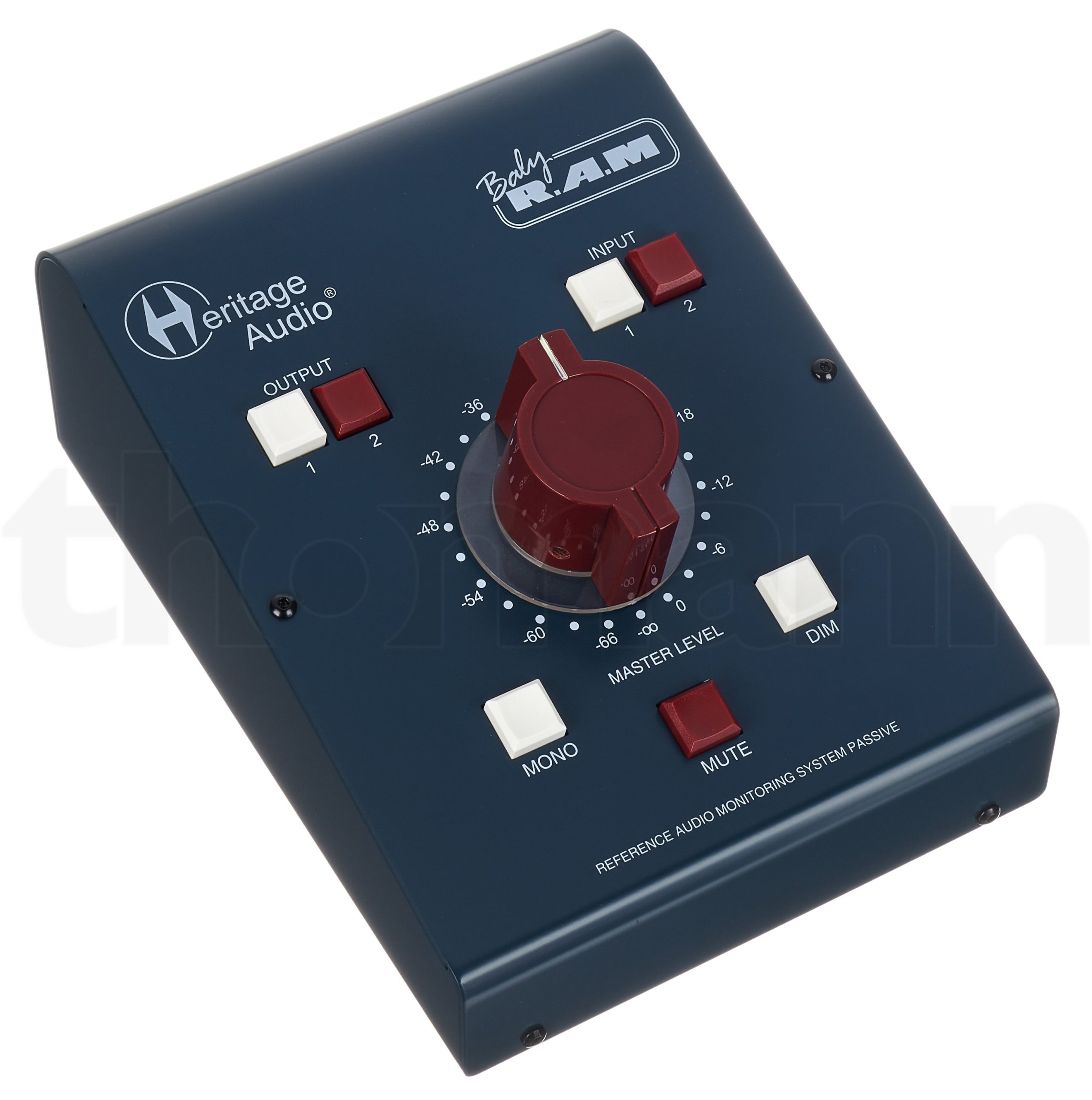
Heritage Audio’s Baby RAM is the ultimate passive-monitoring system, delivering the most transparent signal with the best stereo imaging of any other passive designs available!
The Baby RAM is a boutique, passive-circuit monitor controller inspired by classic European console designs. A Baby RAM is the ultimate controller for total transparency — a zero-compromise signal path, paired with a simplified control set ensures your monitors receive the cleanest, purest signal possible without unnecessary complications.
The Baby RAM proudly features a 4 gang, 24 step rotary switch for volume as opposed to cheaper stereo potentiometers, which means the precision of your stereo signal is perfect on every position as well as offering a subtenth of a dB precision on every single attenuation position! Baby RAM also has no insertion loss, meaning that there’s no extra coloration, signal loss or degradation at any settings.
Even though the Baby RAM packs a zero-compromise circuit design, it couldn’t be any easier to use with 2 pairs of stereo inputs and outputs — both balanced and ground free (unbalanced compatible) on gold plated TRS jacks. Mute, Dim, Mono, and Volume monitoring controls make the Baby RAM a breeze to work with. And with it’s passive design, it also means you have no concerns with bad power supplies, as no electrical current is needed!
The Baby RAM is built with the most cutting edge methods in manufacturing and design, without ever compromising audio quality or cutting corners.
Read more
I wanna fly with you
Read more
If you want to go that far
Read more
We gaan winnon!
According to Joost himself: “‘Europapa’ is about an orphan who travels throughout Europe (and beyond) to find himself and tell his story. At first, people don’t recognise him, but he goes on seizing any opportunity he gets to let himself be seen. ‘Europapa’ is a tribute to my father. When bringing me up, he passed on to me an expansive view of the world”
Read more
Oh Lord, I ain’t coming home with you
Read more
Berekoud!
Read more
So you won’t be afraid
Read more
Virgin eyes and dirty looks
Read more
Little darlin’, it seems like years since it’s been clear
Read more
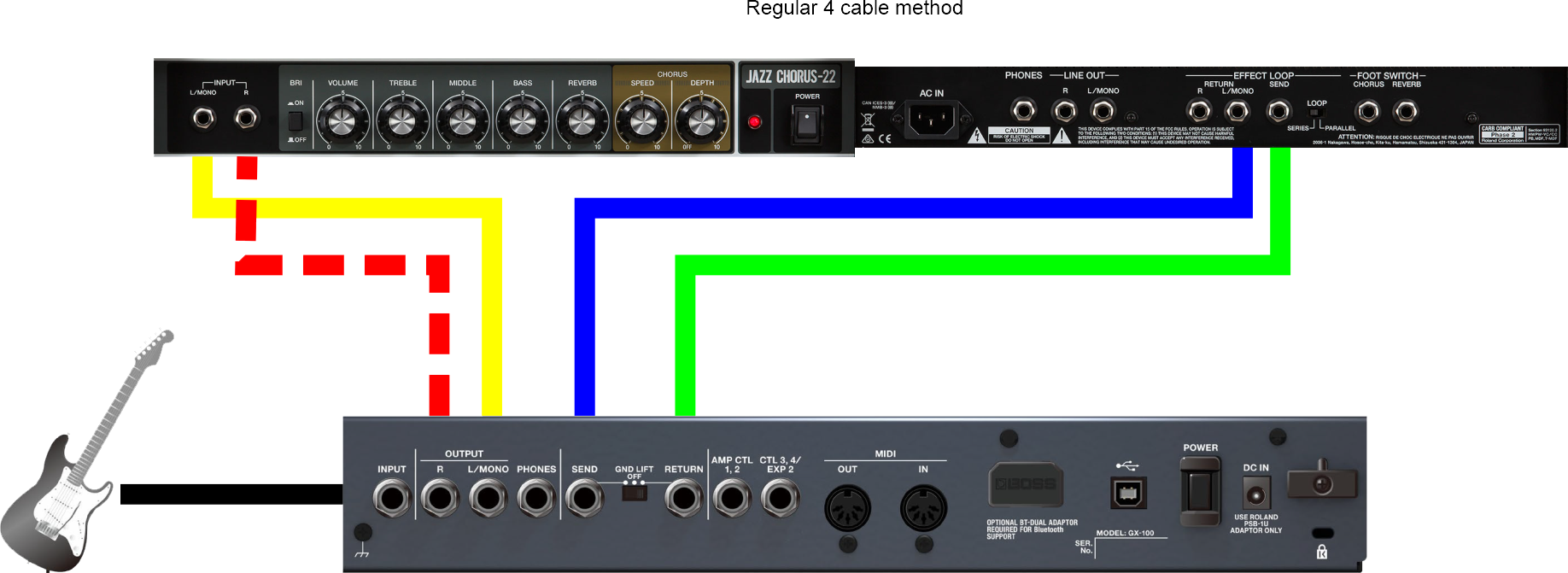
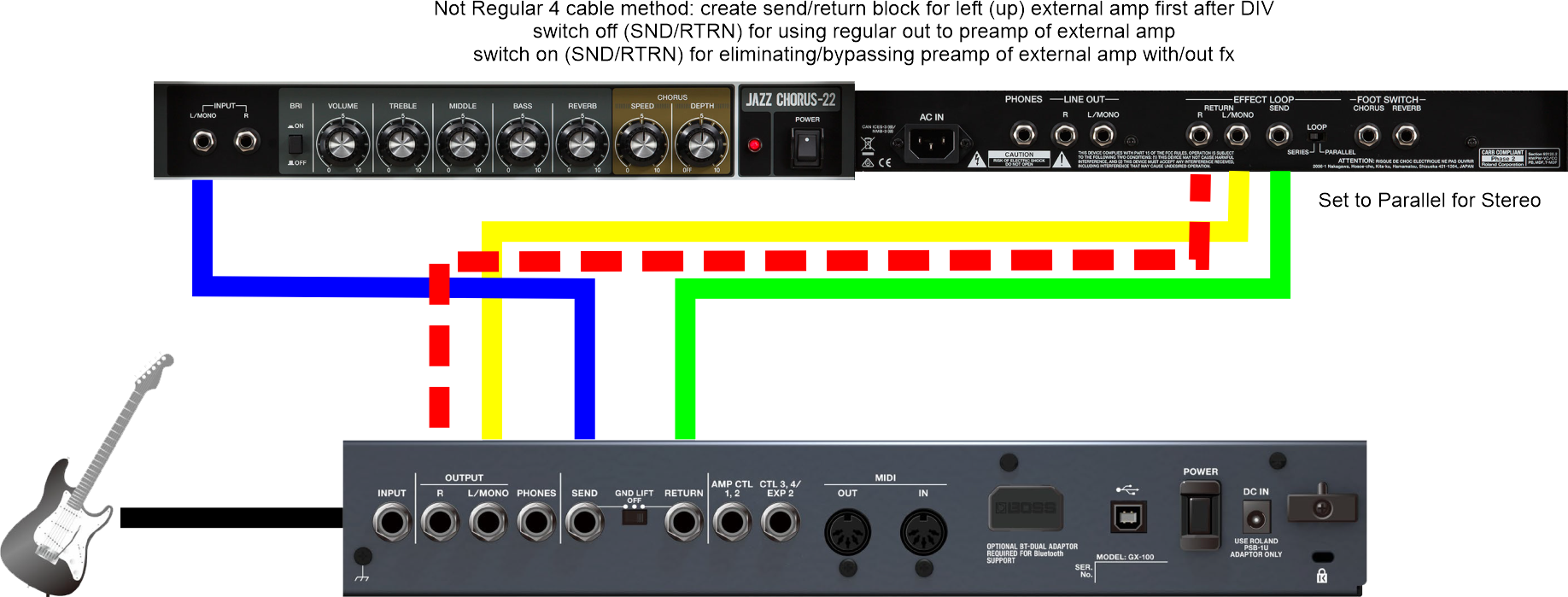
Two 4 cable method(s)
That is bullshit, I say
Read more
I gave you all a boy could give you
Read more
Y allí fue que me dí cuenta
Read more
Roland JC-22 Jazz Chorus stereo combo amp
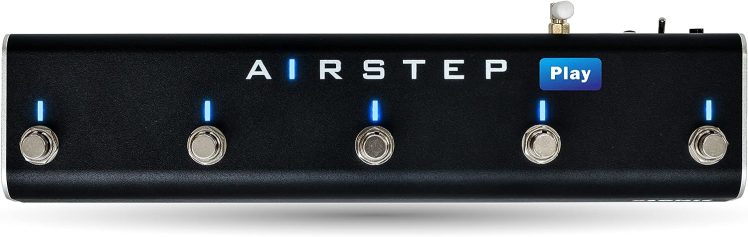
Touch less. Play more.
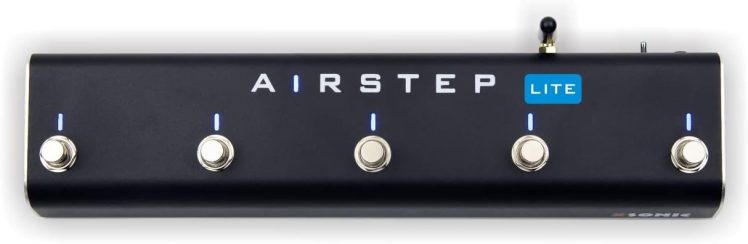
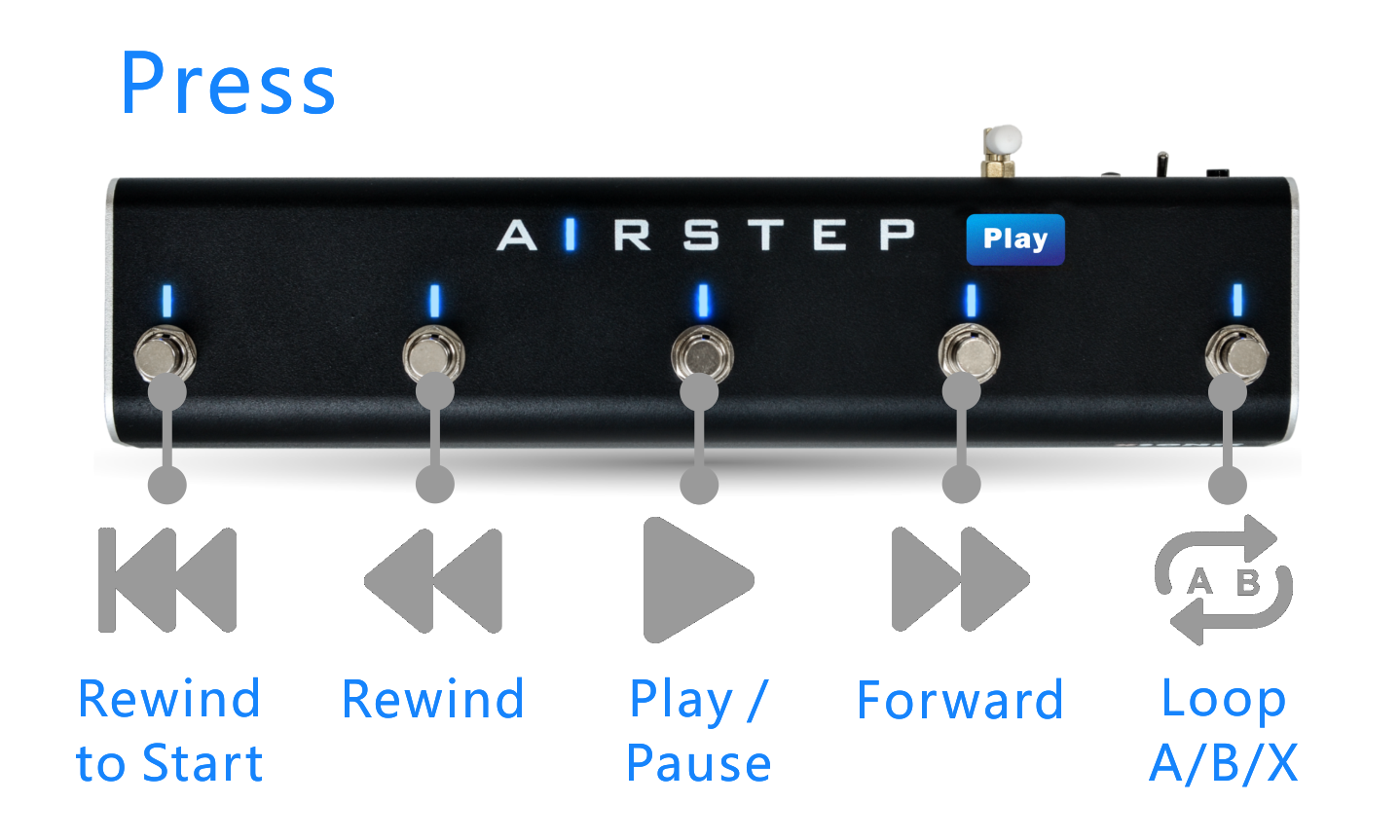
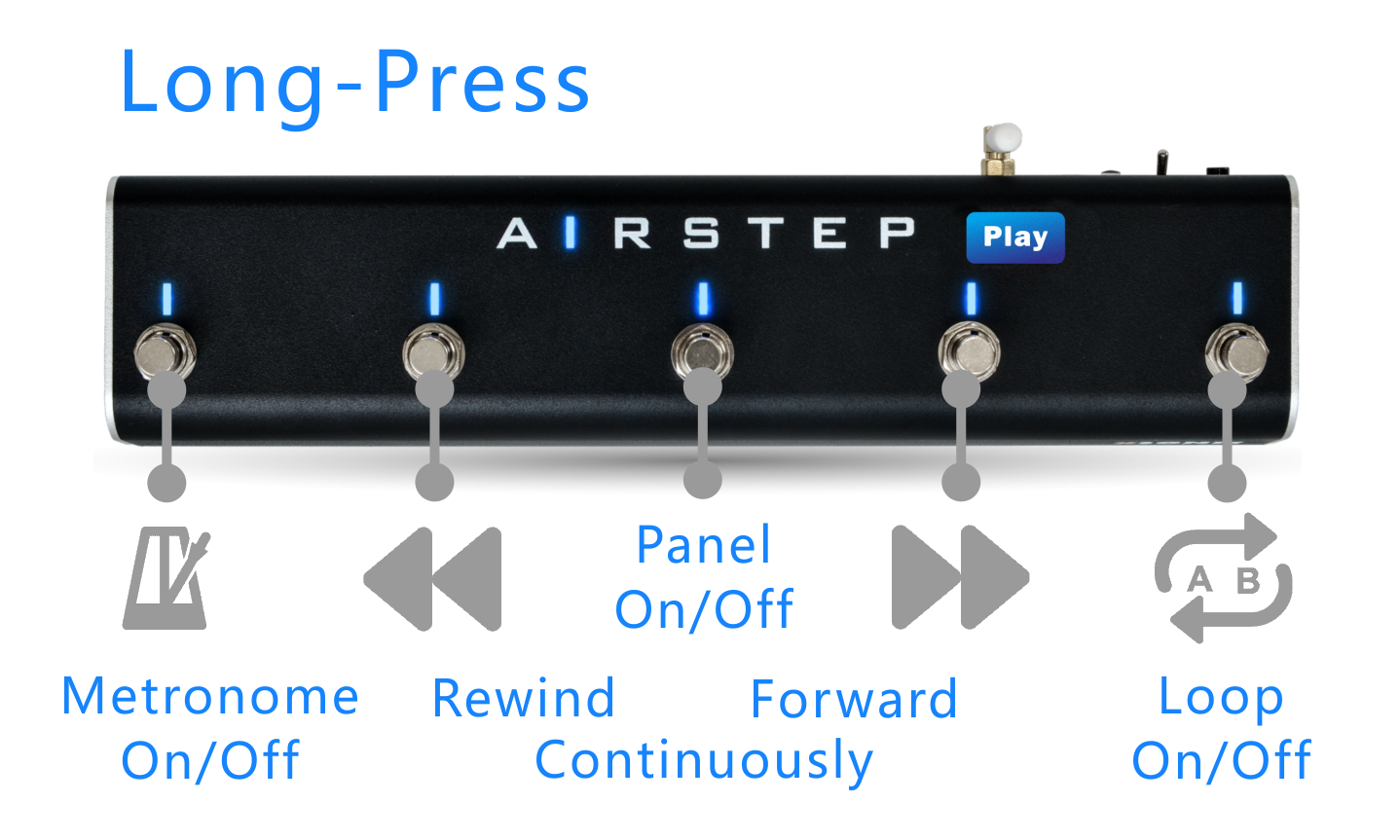
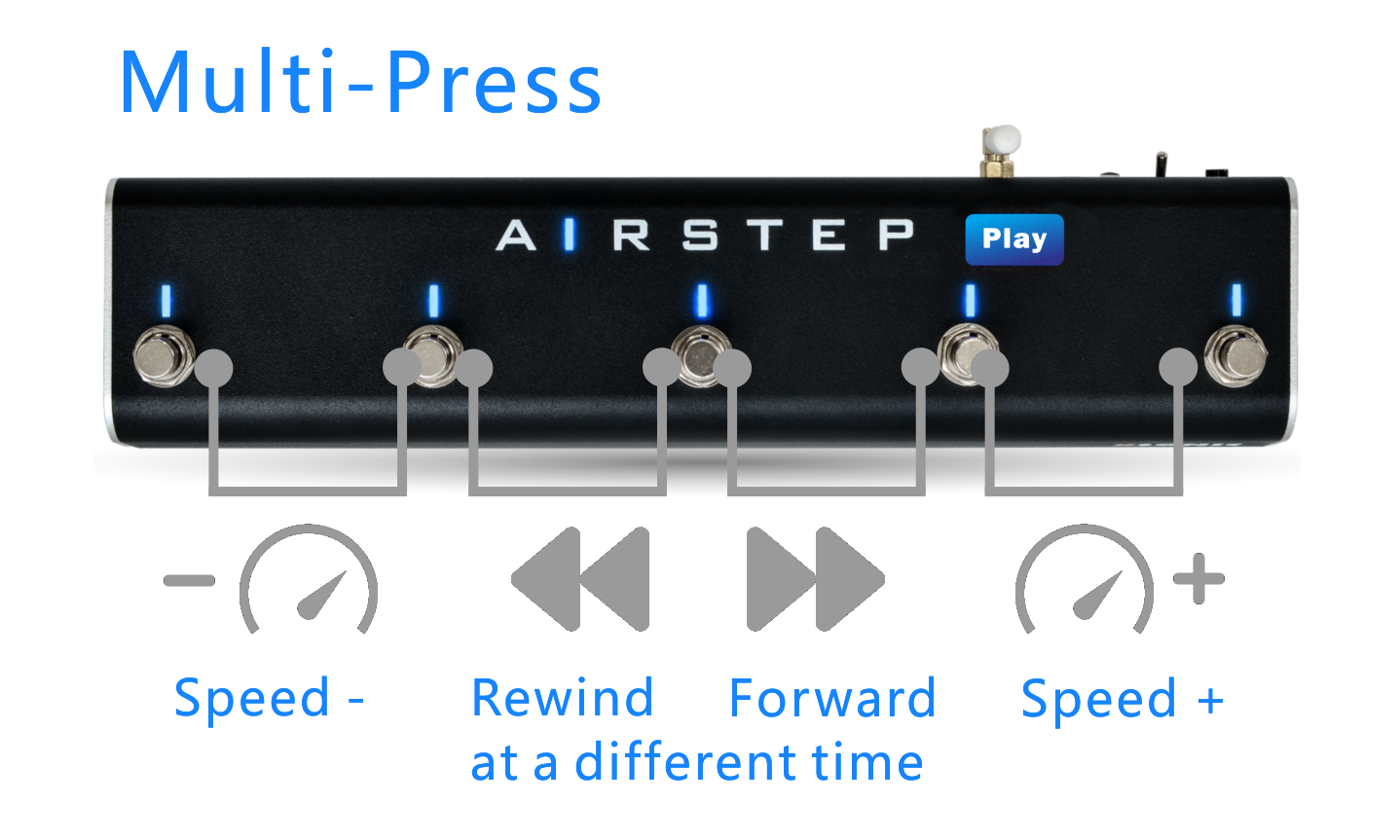
AIRSTEP Lite is the simplified version of AIRSTEP, it has removed all hardware control interfaces and only kept the Bluetooth to send MIDI and HID messages. This means that Lite can only connect to mobile phones, tablets, and computers to control software, but cannot control hardware devices. In addition to this, the other functions of Lite are the same as AIRSTEP. And, can be re-programmed (Lite Advanced firmware) to function as an Airstep Play: Foot control the playback, loop, speed and pitch of video & audio on iOS, Android, Mac and PC.
KZ Acoustics : A Roundup of all KZ Earphones
Eleven O’Clock
20 Awesome Guitar Riffs through space, time, and genre, on the BOSS GX-100
Who got it? Go get it!
Read more
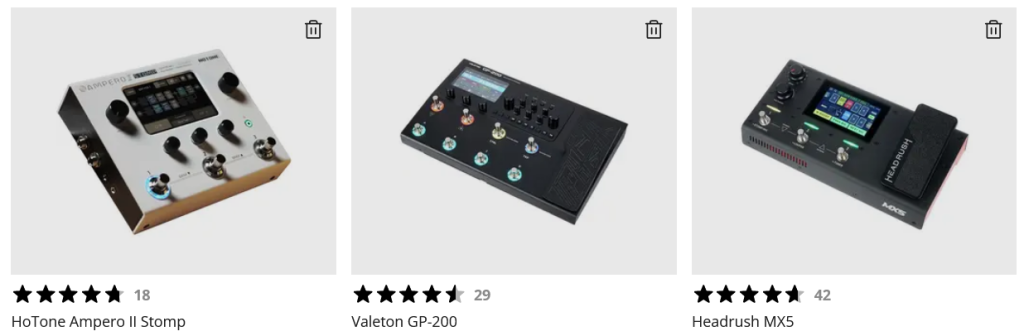
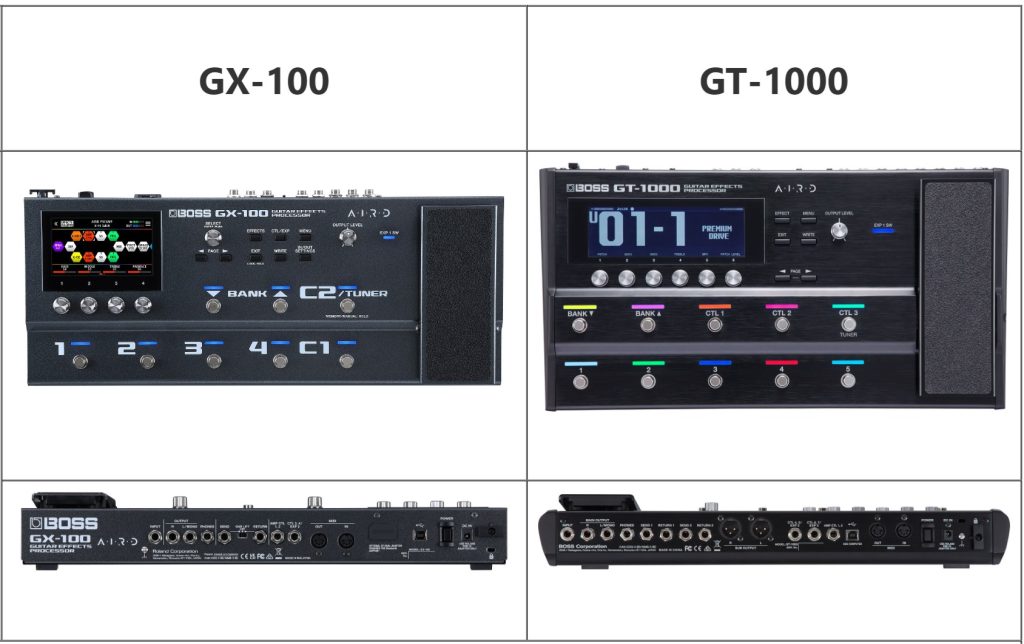
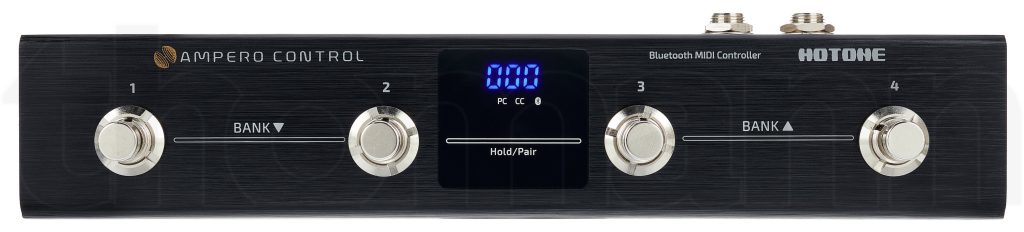
Multi FX Comparison
Babylon Berlin
https://www.imdb.com/title/tt4378376/
No one’s using the WoodRow
Earworm at dentist
Read more
Line 6 M13 Stompbox Modeler
Line 6 kennen we ondertussen al jaren als een bedrijf dat steeds kwaliteit levert, en om de zoveel tijd een nieuw product lanceert dat de rest van de digitale wereld weer op achtervolgen zet. De nieuwe M13 Stompbox Modeler is niet echt een nieuw product, maar eerder een samenvatting van hun gekende prestaties. De immens populaire stompbox- reeks, bestaande uit de DM4, DL4, MM4 en FM4 (drive-, delay, modulation- en filtermodeling), wordt namelijk in deze enkele multi-fx gepropt. Benieuwd of men de kwaliteit en gebruiksvriendelijkheid van deze gekende units heeft kunnen behouden!
ALGEMEEN
Concept
Het concept achter de meeste Line 6-producten is ondertussen wel gekend: je neemt een aantal klassieke effecten of versterkers, en gaat deze zo dicht mogelijk benaderen via digitale technologie. Deze aanpak is ondertussen zo wijd verspreid, dat het bijna makkelijk wordt om te vergeten dat Line 6 een ware pionier is als het aankomt op deze digitale technologie. Voor de M13 biedt men dus een multi-fx pedaal die volledig werkt als een pedalboard met losse effecten. Je kan dus de effecten apart instellen en onafhankelijk van elkaar in- en uitschakelen. Daarnaast zijn er ook nog enkele extra functies, zoals de looper.
Vormgeving
Op dit vlak laat Line 6 zelden of nooit steken vallen, en ook ditmaal is de styling een schot in de roos. De combinatie van de zwarte behuizing en de gechromeerde knoppen en beschermranden geeft een zeer stoer uiterlijk. De verschillende units zijn duidelijk onderverdeeld, en aan de hand van een makkelijk te volgen kleurencodering (zie verder) kan je alles uit elkaar houden.
Handleiding
Ook hier is Line 6 een voorbeeld voor zowat alle ander merken. De handleiding is, zoals steeds, overzichtelijk en zeer informatief, maar weet tegelijk toch een humoristische ondertoon te houden. Je krijgt twee verschillende handleidingen: een voor de exacte werking van het toestel, en een tweede handleiding met alle info over de verschillende gemodeleerde effecten.
Read more
Germanium Transistors
For the Aion FX Radian Germanium Boost diy kit
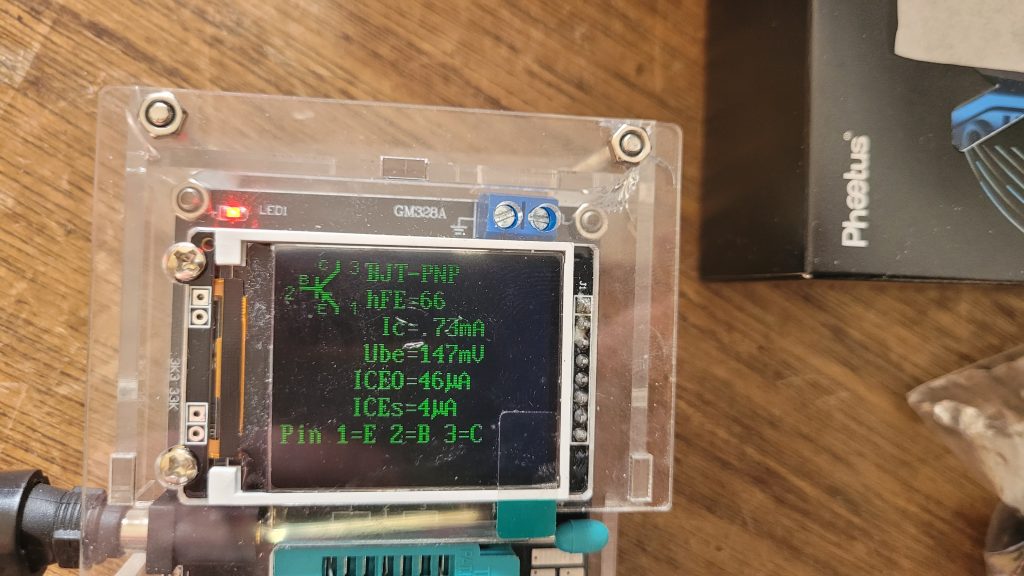
OC-44 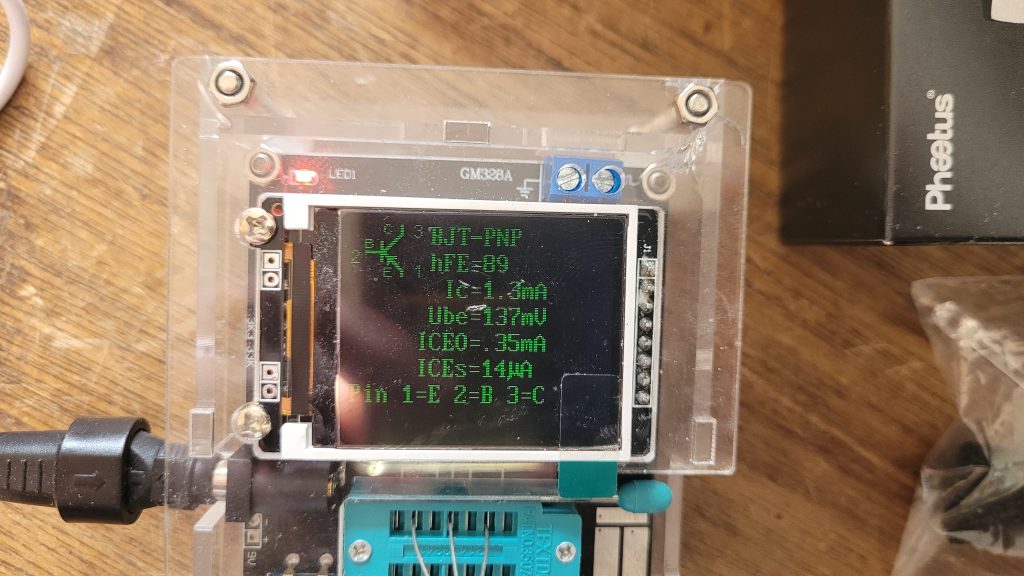
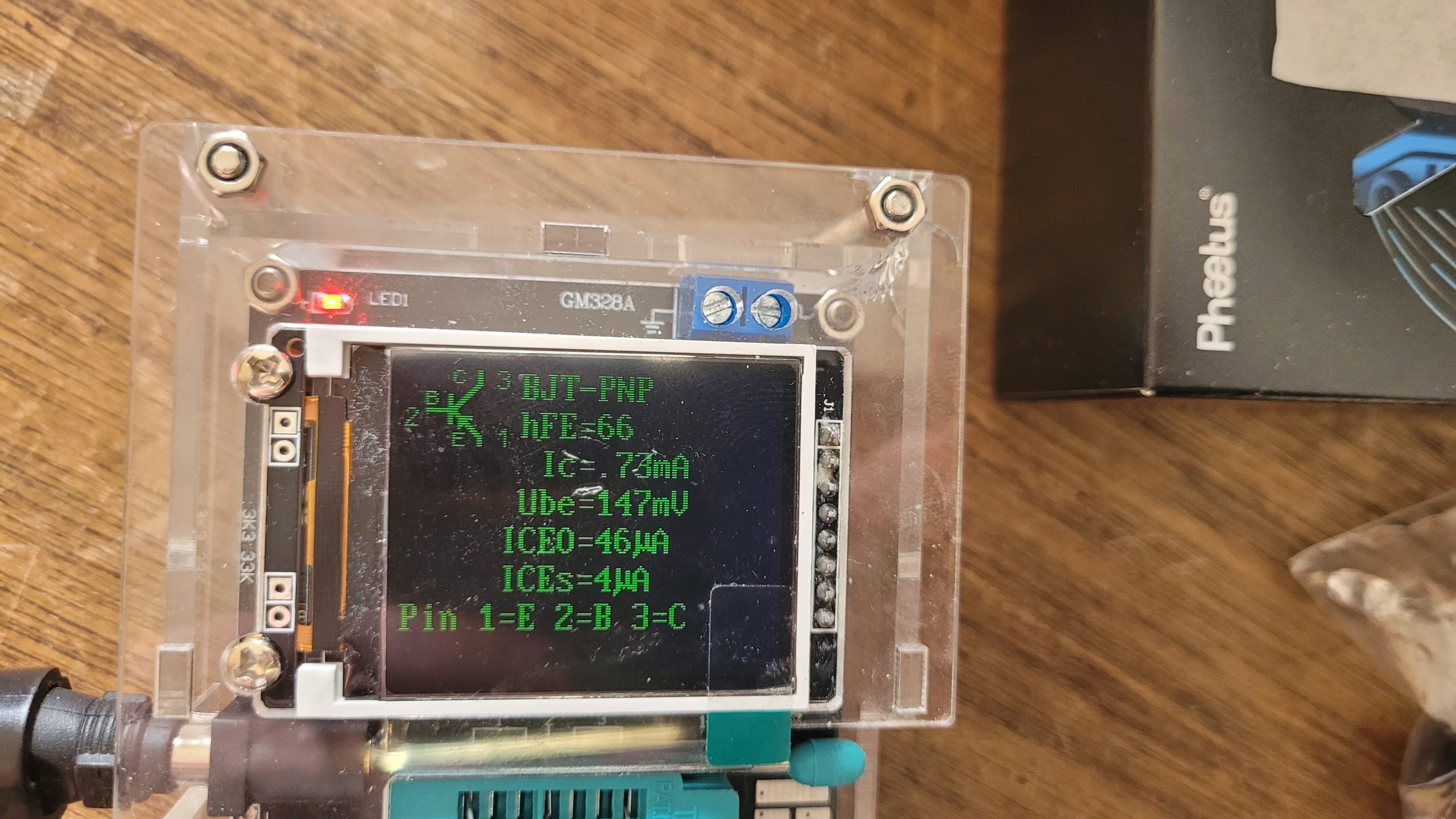
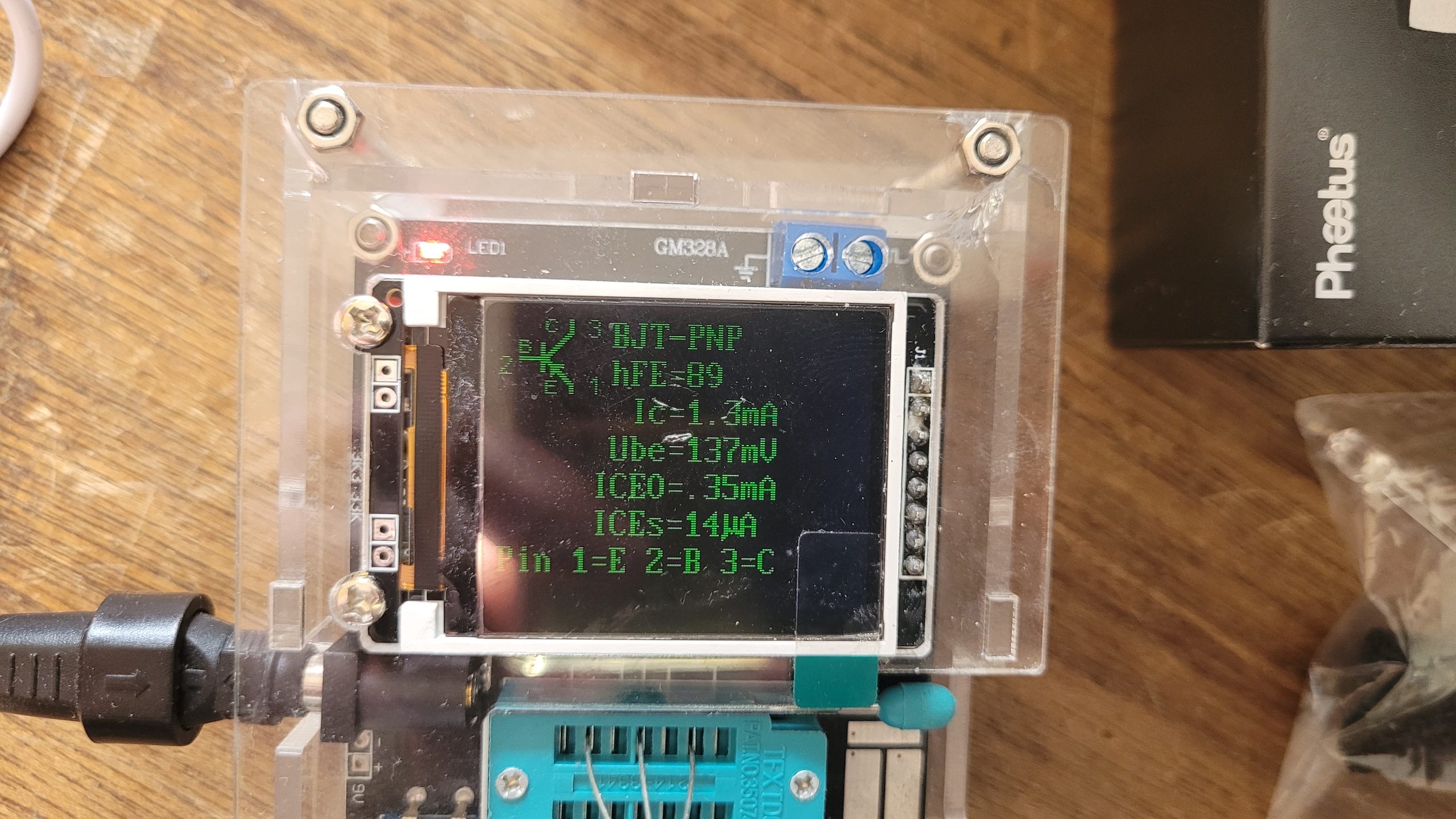
OC-125
-
OC-44:
hFE=66
Ic=.73mA
Ube=147mV
ICEO=46uA
ICEs=4uA
-
OC-125:
hFE=89
Ic=1.3mA
Ube=137mV
ICEO=.35mA
ICEs=14uA
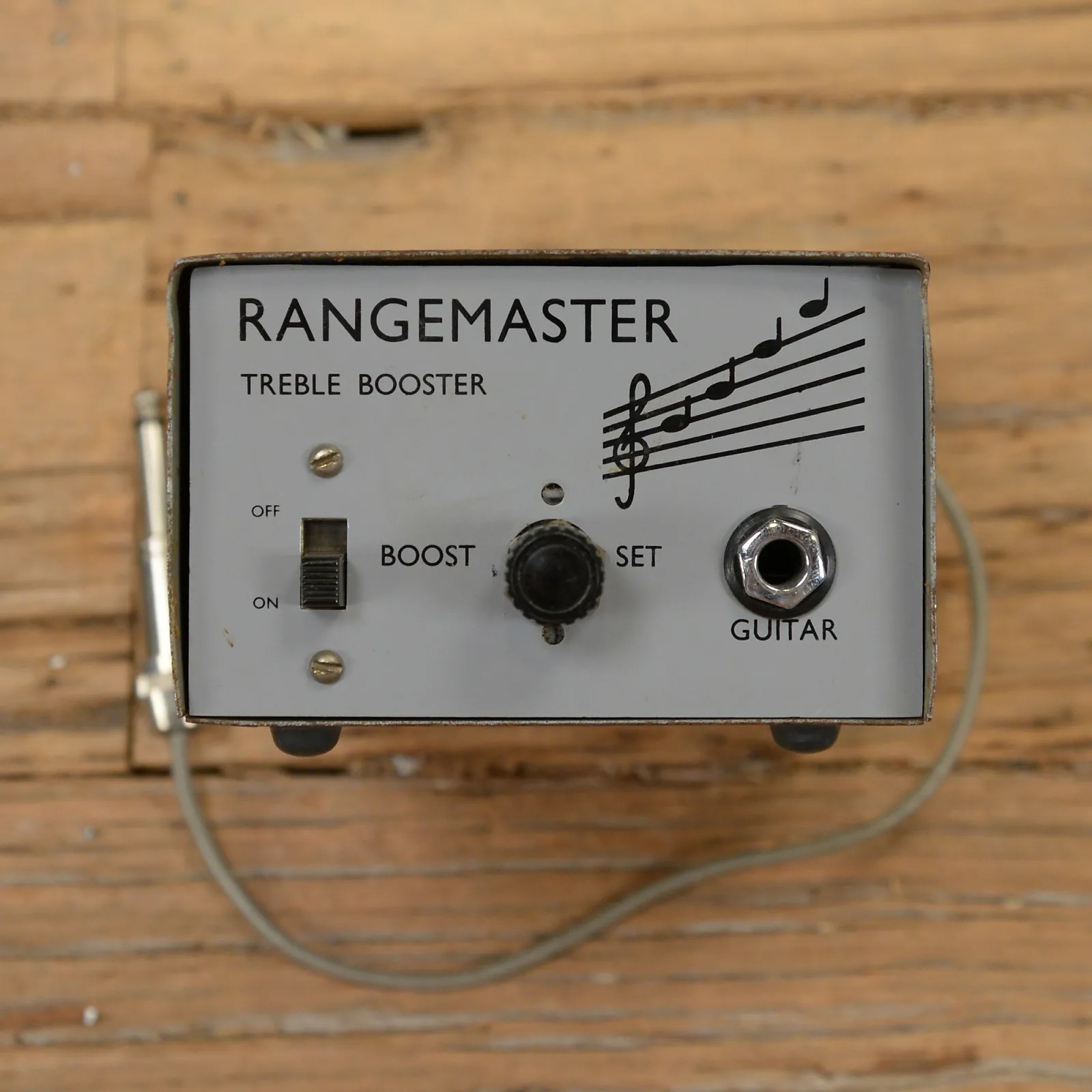
The Radian Germanium Boost is an adaptation of the Rangemaster Treble Booster produced by Dallas Musical Ltd. of London beginning in 1965. (Dallas would later merge with Arbiter Electronics to form Dallas-Arbiter, best known for the Fuzz Face.)
The Rangemaster was originally designed to add treble content to somewhat dark British amplifiers such as the Vox AC30, but it took on a life of its own in the hands of Brian May, Tony Iommi, Rory Gallagher, and several other highly-regarded guitarists of that era.
The original Rangemaster was not actually a pedal, but rather a freestanding unit that was intended to sit on top of the amplifier. Bypass was done via a slide switch on the front of the unit, so it wasn’t practical to turn it on and off while playing, and it was used as an always-on tone enhancer.
The Radian is a pedal conversion of the Rangemaster with one big enhancement: a voltage inverter has been added which allows it to be powered with a standard center-negative adapter while maintaining the positive-ground operation of the original. The PCB also includes a biasing trim pot so you can dial in a perfect bias without having to swap out resistors.
The other enhancement is a “Range” toggle switch that lets you choose between a treble boost, mid boost, or full-range boost. The treble-boost effect in this circuit is achieved by first cutting low frequencies, then boosting the whole signal so that the lows are restored to normal and the treble frequencies are emphasized. This toggle switch lowers the low-frequency cutoff point so that less of the signal is cut and more is boosted.
Your face, your face, your face
Read more
Waterslide Decal Paper
Boss RC-3 Loop Station
Boss RC-3 Loop Station just add Boss FS-7
Well I know, I know, I know
Read more
The Jimi Hendrix Concerts live

N5X British Overdrive amplifier part 2
I found a second hand Wide Body Mesa Boogie Mark IV combo housing and ordered a corresponding
Aluminum Chassis Mesa Width Style and got some special delivered chassis straps for it and put the DIY Ampmaker NX5 inside
combined with a B-Stock 12 inch 16Ohm Celestion G12H anniversary speaker
for now running with a Mesa 12AX7 and a JJ EL844 ?
One of its greatest features, is the Power pot, a VCB/VVR voltage control kit going from 256 Volts at maximum to 21 Volts at minimum (actual measurements), making overdriving the tubes by diming both Gain and Master pots a breeze, for tasty rock sounds in the living room.
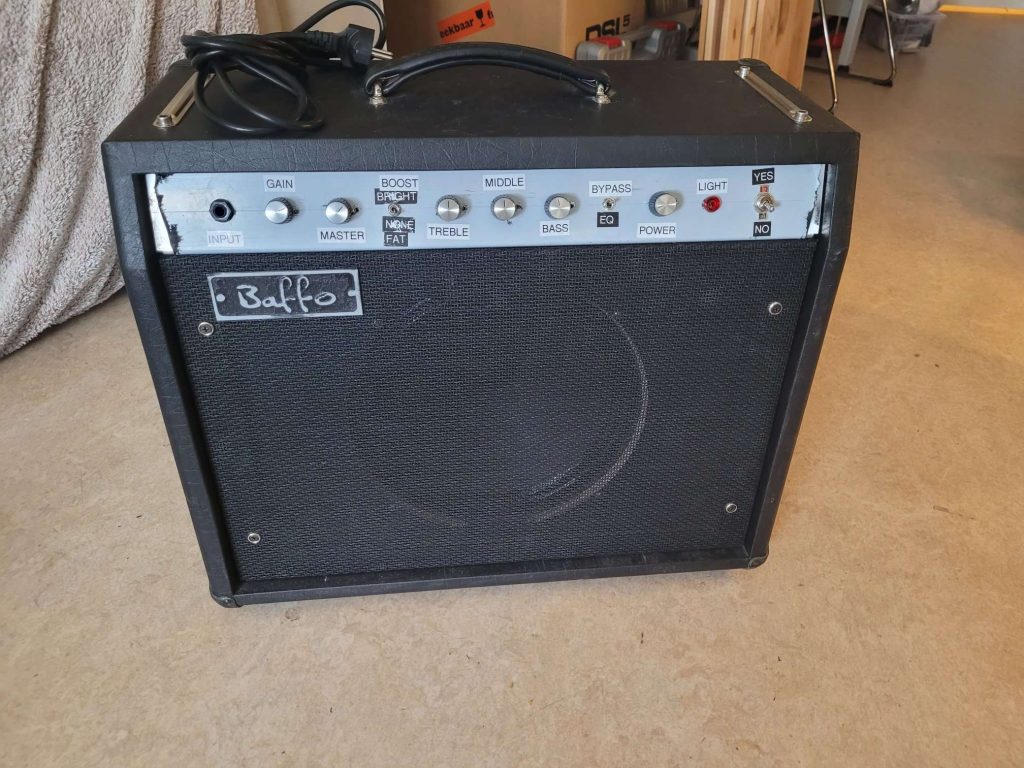
Mesa Baffo NX5 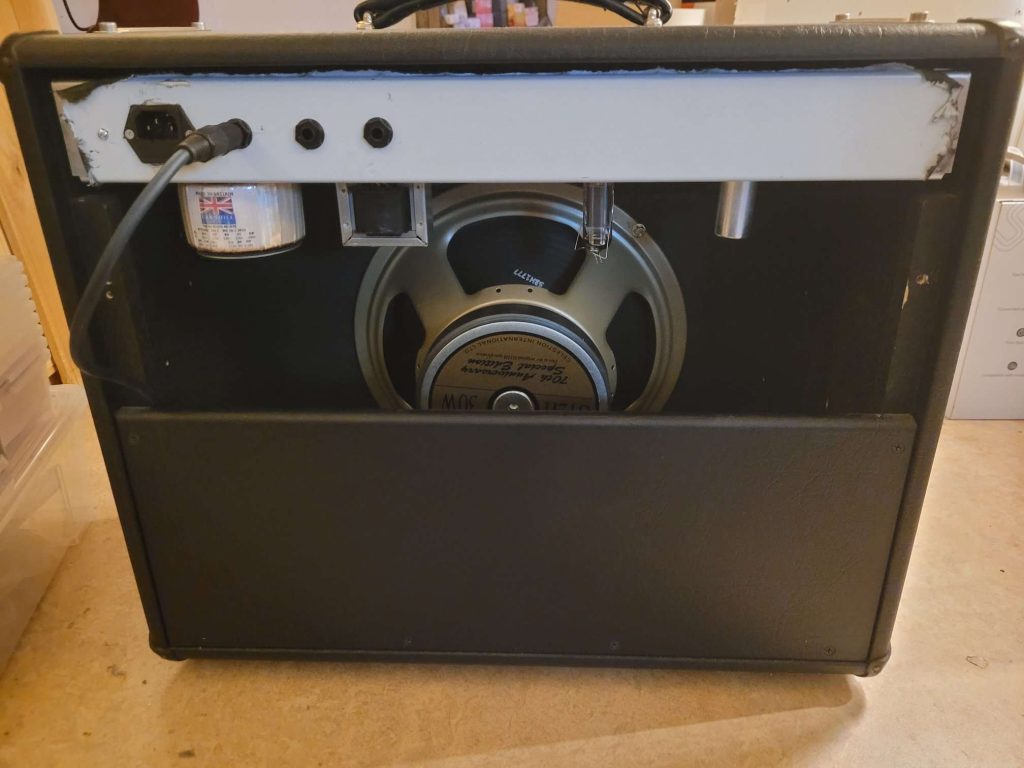

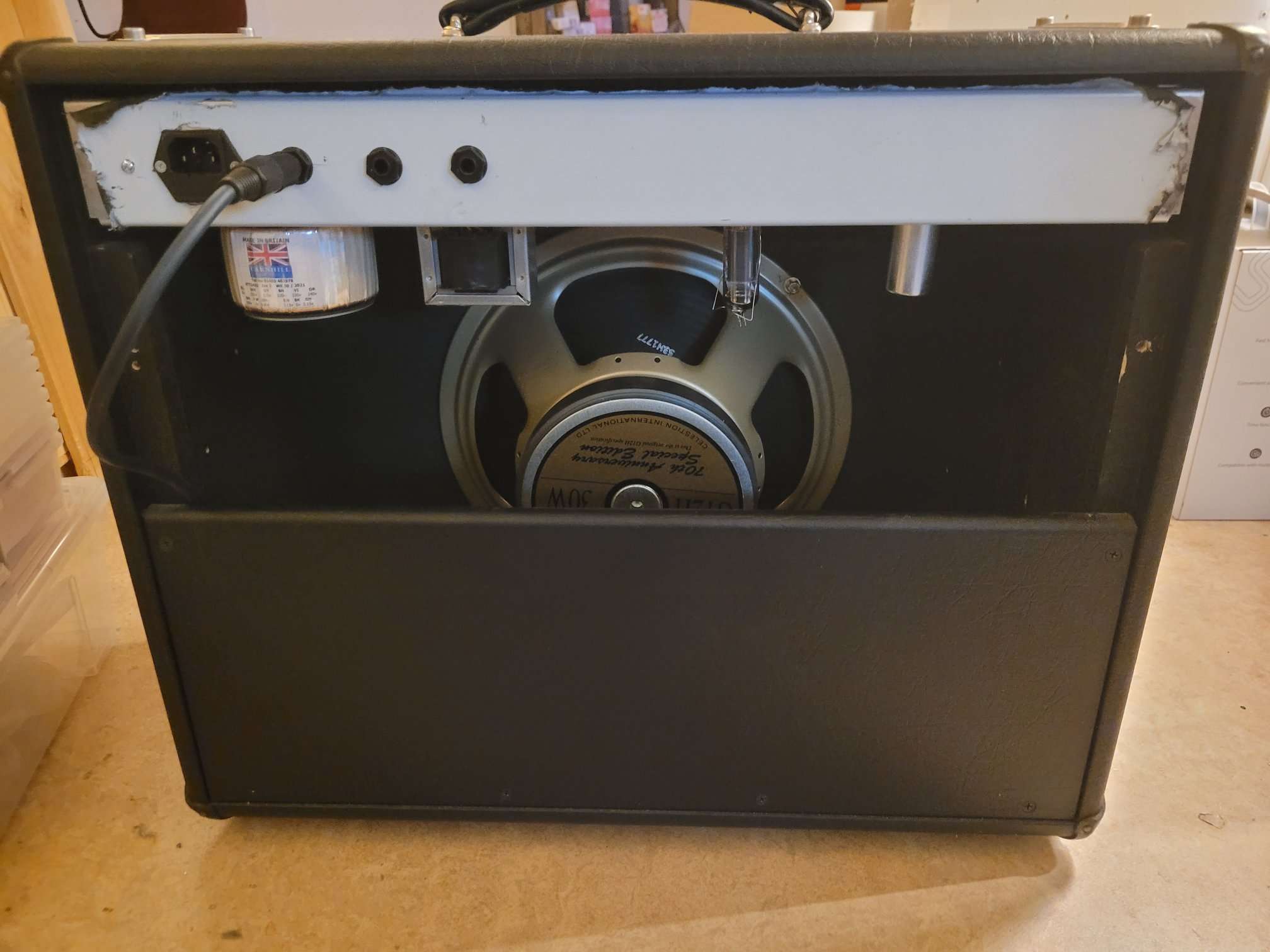
It will pair up with my Marshall DSL-5CR
This was a fun and educational (9 months!) build !
Read more
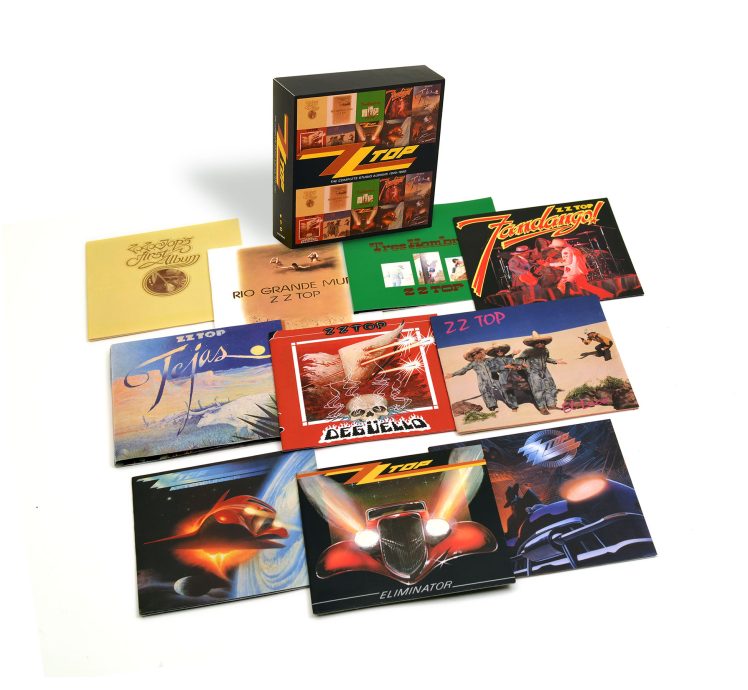
ZZ Top – The Complete Studio Albums 1970-1990
ZZ Top – the Studio Albums 1970 – 1990 is a 10 CD boxset of the band’s classic studio albums from their Warner Bros. Years. This compact, clamshell boxset features each album in a mini, vinyl replica card sleeve with original artwork, including replicated original gatefold sleeves for Tres Hombres and Tejas. Most importantly the original audio tape versions will finally be available, for the first time, on CD for three of the albums: First Album, Rio Grande Mud, and Tejas, and the original masters for Tres Hombres and Fandango will also be included. Much discussion has been had on the quality of the mixes released on CD in the 1980s but now the original audio will be available once and for all in an amazing boxset!
Shittin’ on these bitches only thing I know
Read more
Mister! Look at your girl, she loves it!
Read more
No quiero reproches
Read more
MIDI Reimagined
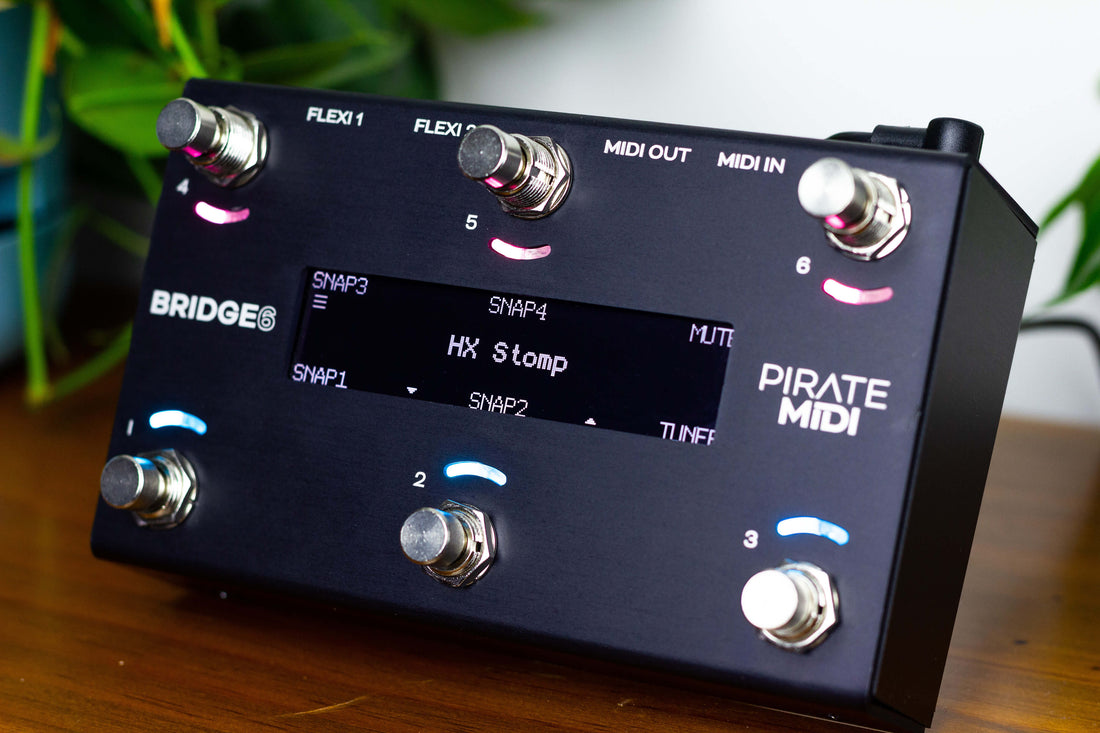
a next-gen MIDI controller
100 banks, more than 80 messages per switch, stackable messages, and flexible MIDI routing are just the beginning. The BRIDGE6 is a compact, next-gen MIDI foot controller with no compromises. A lightning fast ARM processor and plenty of storage means regular and ongoing firmware and feature updates.
Come out of the Dark Age
Connect everything – your gear, apps, and plugins – and control them exactly the way you want with RGB colour feedback and a high-contrast, easy-to-read display. White OLED graphical display and 12 RGB LEDs let you customise labels and text.
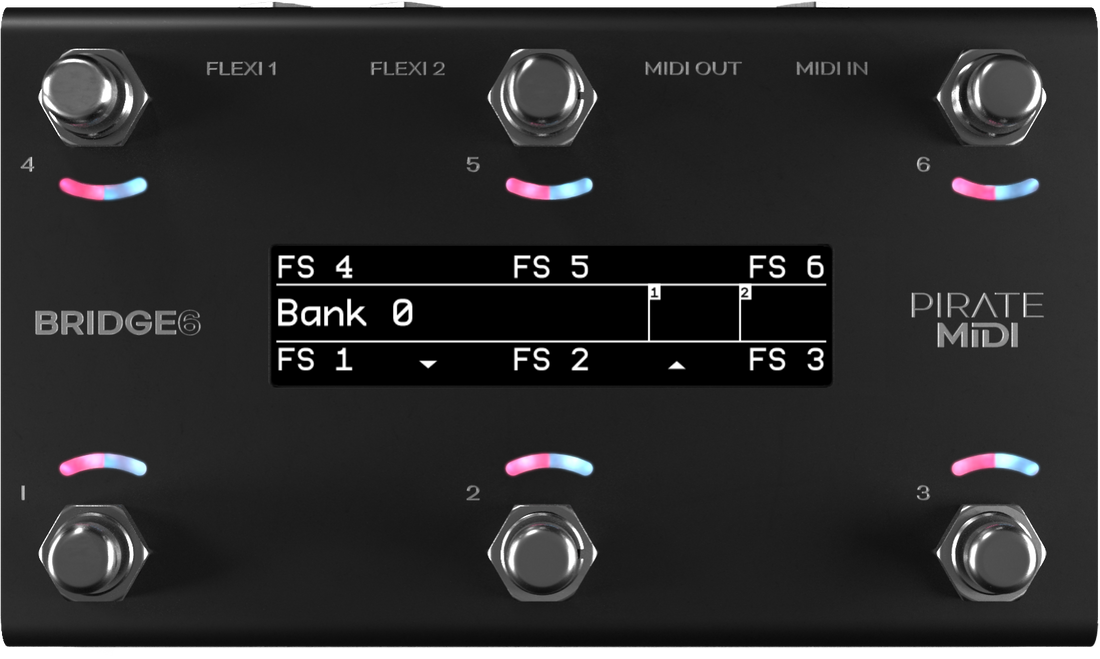
Control everything
Configure to your needs with our sleek, intuitive web editor. Export your layout, and use our huge device library to save you hours of setup time. Add wireless MIDI with CME WIDI devices.
Never lose track of time
With two independent MIDI clocks on board, LFOs sync’d to those clocks (or not), and the ability to turn the tempo into analog switch output, or pulse output, you really do have the best of all worlds.
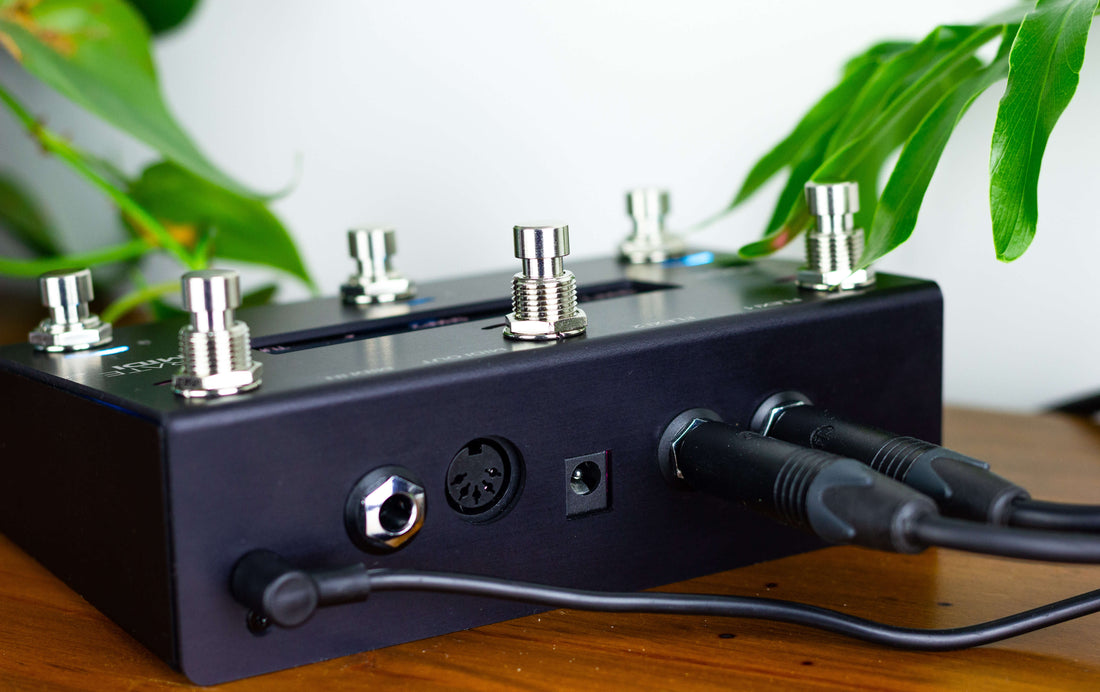
Flexiport Magic
Two 1/4″ TRS jacks give you 12 options from MIDI Out (all TRS types) to Expression In, Aux Switch In, Sync Pulse Out, and our unique Device Link protocol for high-speed communication between PIRATE MIDI devices with Flexiports.
Community driven
Many of the awesome features we’ve implemented have been the result of lots of discussions with you – the one who actually uses the device! We continue to closely and personally interact and chat with anyone who wants to be a part of our community. You can suggest features, tweaks, report bugs, and give us ideas on how to improve your user experience.
It’s really that simple
I, I, I
Read more
How did you get behind this wheel?
Read more
Mas ela só preferiu caô
Read more
Don’t change the subject
Read more